


Combustible Dust Hazards in Industrial Facilities
Combustible dust is a serious risk within many industrial and manufacturing environments where fine airborne particulates are generated during production processes.
When combustible dust accumulates within enclosed areas or becomes suspended in the air at sufficient concentration, ignition can occur under the right conditions. Effective dust extraction, ventilation and airflow management systems play an important role in helping industrial facilities manage airborne particulate accumulation and reduce operational risk.
Combustible dust hazards may exist across a wide range of industries including woodworking, grain processing, metal fabrication, powder handling and manufacturing operations.
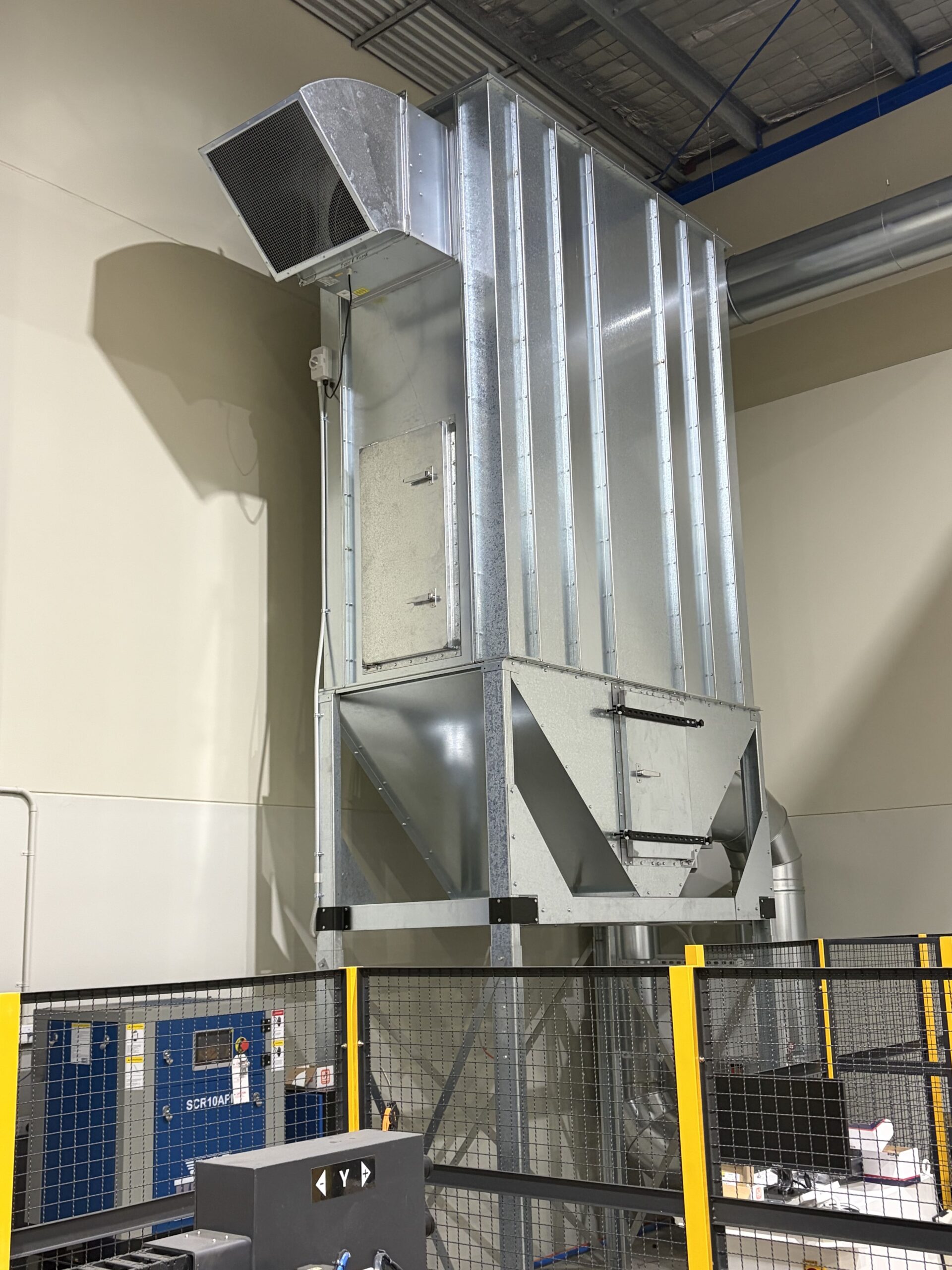
What Is Combustible Dust?
Combustible dust refers to fine particulate material capable of igniting when dispersed in the air under certain conditions.
Common combustible dust materials include:
- wood dust
- grain dust
- metal dust
- coal dust
- paper particulates
- chemical powders
- plastic dust
- pharmaceutical powders
The level of risk depends on factors including particle size, concentration, moisture content, ignition sources and ventilation conditions within the facility.
How Combustible Dust Accumulates
Dust accumulation often occurs gradually throughout operational environments where extraction systems are undersized, airflow performance is inadequate or airborne particulates are not effectively captured at the source.
Dust may accumulate:
- on structural surfaces
- inside ducting systems
- around machinery
- within overhead infrastructure
- inside filtration systems
- throughout enclosed operational areas
Without effective extraction and housekeeping procedures, airborne dust concentrations and surface accumulation may increase over time.
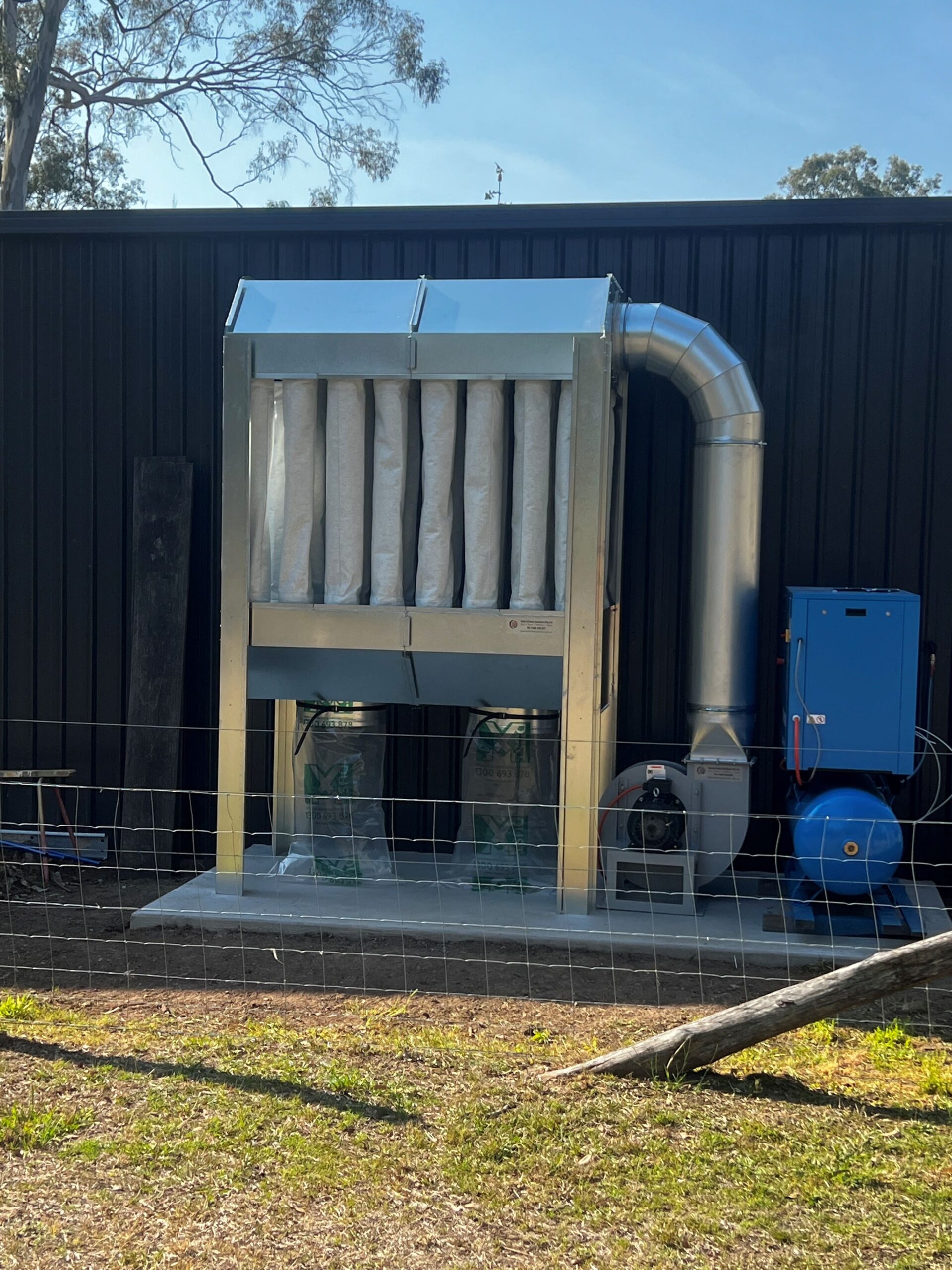
Common Ignition Sources Within Industrial Facilities
Combustible dust hazards generally involve a combination of airborne particulate concentration and an ignition source.
Potential ignition sources within industrial facilities may include:
- sparks generated during grinding or welding
- overheated machinery
- electrical equipment
- friction heat
- static discharge
- open flames
- hot surfaces
Industrial ventilation and dust extraction systems help reduce airborne particulate build up throughout operational environments.
Industries Commonly Affected by Combustible Dust
Combustible dust hazards may exist across many industrial sectors where fine particulate material is generated during normal operation.
Industries commonly requiring dust management and extraction systems include:
- woodworking and timber processing
- ceiling hegrain and agricultural processingight
- metal fabrication
- mining and mineral processing
- food manufacturing
- pharmaceutical production
- powder handling facilities
Each environment presents different particulate behaviour, airflow requirements and extraction challenges depending on the materials being processed.
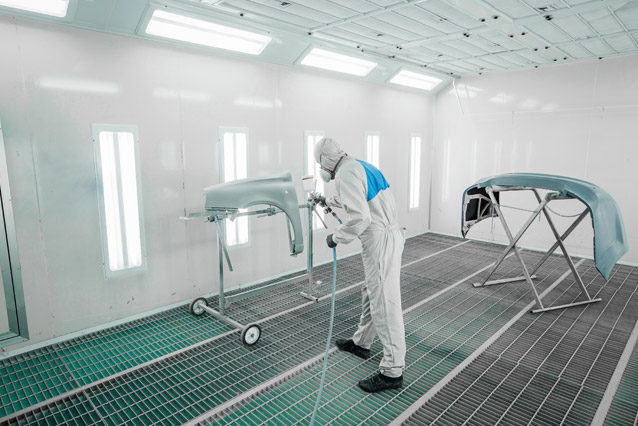

The Role of Dust Extraction Systems
Industrial dust extraction systems are designed to capture airborne particulates before contaminants spread throughout the facility.
Effective extraction systems help:
- reduce airborne dust accumulation
- improve contaminant capture
- maintain airflow movement
- support cleaner operating environments
- reduce particulate build up around machinery and infrastructure
Extraction system performance depends heavily on airflow design, extraction point placement, ducting configuration and filtration compatibility.
Ventilation & Airflow Management
Industrial ventilation systems assist in controlling airflow movement and managing airborne particulate concentration throughout enclosed operational environments.
Poor ventilation may allow airborne dust to accumulate within stagnant areas of the facility, increasing operational risk and reducing overall extraction efficiency.
Ventilation system design should consider:
- airflow balancing
- extraction velocity
- facility layout
- contaminant behaviour
- filtration performance
- operational processes
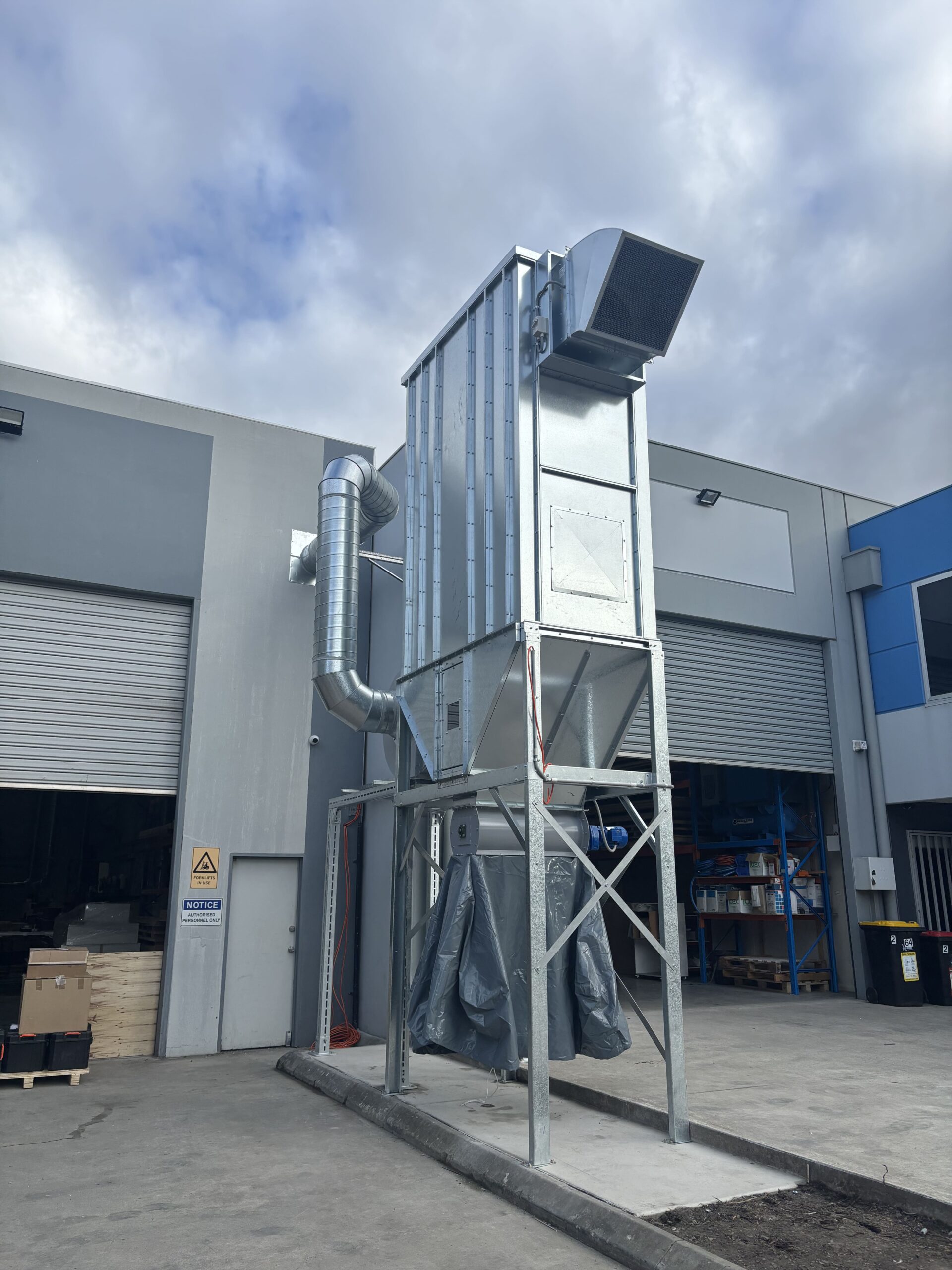
Dust Collector Maintenance & System Performance
Industrial dust collectors and filtration systems require ongoing inspection and maintenance to maintain extraction performance over time.
Areas commonly monitored include:
- filter loading
- airflow performance
- ducting integrity
- particulate build up
- extraction point performance
- filtration condition
Reduced airflow or blocked filtration systems may negatively affect contaminant capture efficiency throughout the facility.
Managing Combustible Dust Risks in Industrial Environments
Managing combustible dust hazards requires a combination of:
- effective extraction systems
- ventilation infrastructure
- contaminant control
- airflow management
- housekeeping procedures
- ongoing system maintenance
Industrial facilities generating combustible particulate material should ensure extraction systems are designed around the operational and environmental requirements of the site.
MX Dust assists Australian industrial facilities with dust extraction and ventilation solutions designed to support contaminant control and long-term operational performance.